


Husky No-Pull Harness
Siberian Huskies were bred to pull — sled-dog instinct means leash pulling isn't a training failure, it's the breed's original job. A secure, escape-resistant husky no-pull harness with a front D-ring gives handlers real control without fighting that instinct head-on, while a breathable build helps keep a double-coated dog from overheating.
Key Takeaways
- Huskies pull because it's instinctual working behavior, not misbehavior — control comes from redirecting that drive, not suppressing it.
- Huskies have a well-earned escape-artist reputation — a harness needs 4-5 adjustment points and zero slack to stay secure.
- The double coat runs hot; a mesh-lined, breathable build matters more for huskies than most breeds.
- Most adult huskies (35–60 lb) fit Small or Medium — chest girth check still matters given the breed's dense, muscular build.
- Front D-ring for redirect control is especially useful given how strong and sustained a husky's pull can be.
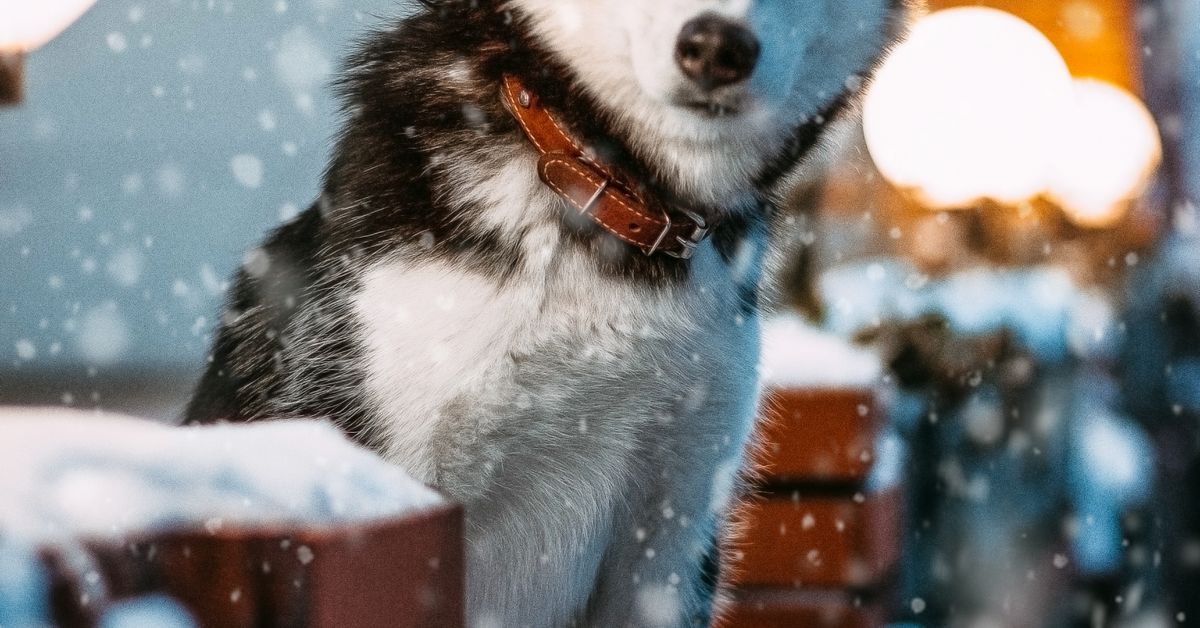
Photo via Pexels
Why Huskies Need Purpose-Built Harness Control
Siberian Huskies were bred for one job: pulling sleds over long distances at sustained effort. That drive doesn't switch off on a neighborhood walk — a husky leaning into a harness and pulling forward is doing exactly what generations of breeding selected for. Fighting that instinct with corrections alone rarely works well; redirecting the pulling force with a front D-ring gives a handler control without a physical standoff.
Huskies are also notorious for slipping collars and working their way out of poorly-fitted gear — a trait tied to their independent, escape-driven temperament. A harness with no single point a dog can back out of, fitted correctly, closes that gap.
What to Look for in a Husky Harness
- Front D-ring for redirect control. Converts a husky's forward pull into a sideways turn instead of a straight drag.
- 4-5 point adjustment, zero slack. Given the escape-artist reputation, a snug, fully-adjusted fit is non-negotiable.
- Breathable, mesh-lined build. Huskies run a thick double coat — airflow at the chest and back matters for comfort on active walks.
- Metal quick-release buckles. Match the sustained pulling force a husky can generate over a long walk or run.
- Reflective trim. Huskies are frequently walked or run in early morning/evening; low-light visibility is a practical add.

Sizing a Husky Correctly
Measure chest girth at the widest point behind the front legs.
- Small (20–45 lb / 9–20 kg): smaller-framed females and younger dogs.
- Medium (45–75 lb / 20–34 kg): typical adult males and larger-framed females.
Fit check: two fingers under any strap once buckled — no more, no less. Trim and tuck excess strap after the first 1–2 weeks; with a breed known for working slack loose, this step is the difference between a secure fit and a dog that backs out mid-walk.
FAQ
Why does my husky pull so much on the leash?
It's instinctual — huskies were bred to pull sleds. A front-clip harness redirects that drive into manageable control rather than fighting it directly.
Can huskies escape from a harness?
A poorly-fitted one, yes. A harness with 4-5 adjustment points, properly tightened and trimmed of excess strap, removes the slack a husky needs to work loose.
What size harness fits a 45 lb husky?
Typically the line between Small and Medium — confirm with a chest-girth measurement rather than weight alone.
Is a harness or collar better for a husky?
A harness for walks and control — it avoids the trachea pressure a strong, sustained puller puts on a collar, and it removes the single-point failure a collar represents for a breed known for backing out of gear.
Related Products

Managing a husky's natural pulling drive? See the full-control tactical harness, or read how to stop a dog from pulling on the leash for the full training sequence.